Temporary Jobs with No Experience in the UK: How to Get Your First Shift
When your first job seems overwhelming, and all the jobs are looking for experie
August, 27, 2026

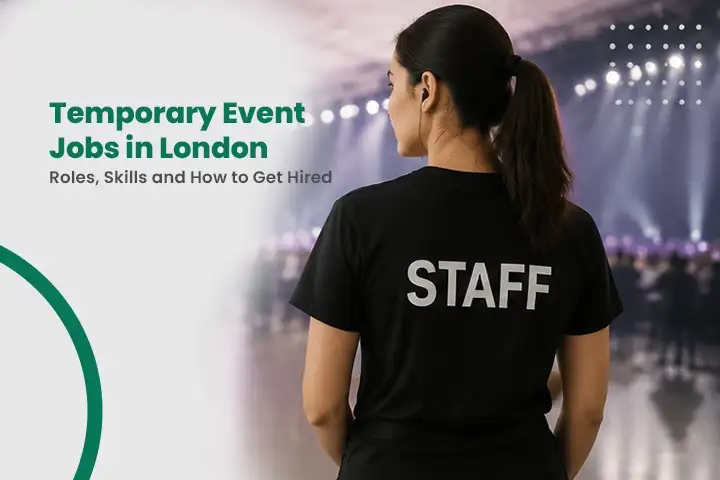
Temporary event jobs in London are short-term positions ranging from a single evening shift to a few weeks, covering conferences, exhibitions, festivals, weddings, and corporate functions across the capital. Common roles include event staff, waitstaff, bar staff, registration assistants, brand ambassadors, and setup crew.
Most temporary event staff jobs pay at or above the National Living Wage of £12.71 an hour, need little to no prior experience for entry-level roles, and are booked shift by shift through staffing agencies or platforms such as Pioneering People. Because London hosts more business events than any other UK city, demand for temporary event staff stays high all year, not just during peak festival and conference season.
This guide breaks down what temporary event jobs actually involve, the roles you're most likely to find, the skills that get you hired, what the work pays, and the exact steps to land your first shift even without having past experience.
Temporary event jobs are short-term roles hired specifically for the length of an event rather than as ongoing employment. A conference might need registration staff for two days, a wedding might need extra waitstaff for one evening, and a festival might need bar staff for a full weekend.
They cover a wide range of work: event assistants, hospitality and catering staff, bar staff, registration and front-of-house teams, setup crews, and promotional staff. What connects them is the format that includes you're hired, briefed, and paid per shift, not per contract. This makes temporary event staff jobs a practical entry point into events for students, people between jobs, or anyone who wants flexible income without giving up control of their schedule.
Demand is high because London's events sector is large, growing, and consistently short-staffed. The UK events industry grew 11.4% year-on-year to reach £68.7 billion in 2025, now employing roughly 775,000 people and generating around 85 million event attendances a year. That same industry analysis found that 73% of staffing agencies reported recruitment difficulties in the past year, with 88% of those pointing to a lack of available workers as the main cause, particularly in catering, crew, and front-of-house roles.
In practical terms, that gap works in your favour. Businesses running conferences, exhibitions, weddings, and festivals in London consistently need reliable temporary event staff, which is why shift-based platforms exist to connect workers with destinations quickly rather than through slow, traditional hiring cycles.
The flexibility helps too. A student can work a weekend festival shift, someone in a full-time role can pick up an evening corporate event, and anyone wanting part time event jobs can take shifts around exams, childcare, or another job without being tied to a fixed weekly rota.
General event staff keep things running smoothly such as greeting visitors, answering questions, directing guests, and supporting the event organiser on the day.
Brand ambassadors represent a company at pop-ups, product launches, and exhibitions like greeting the public, handing out samples, and talking through a product or brand. It's one of the most commonly advertised entry-level temporary event jobs in London and needs confidence more than experience.
Temporary hospitality teams are booked constantly for corporate events, weddings, conferences, and private functions. They include serving food and drinks, clearing tables, and supporting the catering team.
Venues, festivals, and corporate functions need extra bar staff during peak periods. Some roles ask for prior experience, but entry-level bar support jobs are common too.
Setup crews work before doors open and after guests leave. Tasks such as building furniture, preparing spaces, moving equipment, and helping the venue get event-ready.
Registration assistants greet guests, check attendees in, hand out badges, and direct people to the right area. This role is especially common at conferences, exhibitions, and corporate events.
You don't need a long list of qualifications to start in temporary event staff jobs. But a few practical and personal skills make you a stronger candidate.
Clear, polite interaction with guests, co-workers, and supervisors throughout a shift.
Events run on a fixed schedule, so being on time (and communicating early if you're running late) protects the whole team.
Large events depend on catering, hospitality, registration, and venue staff working in sync.
A friendly, professional attitude shapes how attendees experience the event.
Event environments change quickly, so staff need to adapt calmly to new instructions.
Turning up in the correct dress code, staying courteous under pressure, and asking questions when something's unclear. A good review after a shift also improves your chances of being picked for future work.
Most temporary event jobs in London pay by the hour, in line with or above the National Living Wage of £12.71 for workers aged 21 and over, effective from 1 April 2026 (GOV.UK). Some employers voluntarily pay the higher London Living Wage of £14.80 an hour (Living Wage Foundation), particularly for hospitality and events roles where tips aren't guaranteed.
Actual rates vary by role and event type. Bar and catering shifts, registration work, and brand ambassador roles typically sit in a similar hourly band, with specialist or supervisory shifts paying more. On Pioneering People, every role is paid at or above the National Living Wage, and payment lands in your account the same day your shift ends, rather than on a set monthly payroll date.
Getting hired comes down to a complete profile and a fast, clear application rather than relying on a lengthy CV.
Add your availability, location, work preferences, and the type of shifts you want.
You'll need valid photo ID, Right to Work documentation (GOV.UK), and UK bank details for payment.
Once verified, browse job posts showing the hourly rate, location, shift date and hours, and any notes from the business.
Skip the long cover letter, instead a few lines on why you're a fit is enough. Applying for conference registration? Mention your communication skills, punctuality, and comfort speaking with visitors.
Both workers and businesses leave reviews after a shift. A solid review record builds trust and increases how often you're chosen for future temporary event staff jobs.
Before applying anywhere, confirm your Right to Work status and check the requirements directly on GOV.UK's Right to Work guidance.
If London-specific event work isn't the only thing you're after, it's worth browsing the wider range of temporary jobs in London too, since many hospitality and admin roles overlap with event shifts.
Yes. Many temporary event jobs in London are open to people with no previous experience, though requirements vary by role and business. Pioneering People, for example, does not require previous experience to sign up. You just need to be 18 or over with the right to work in the UK.
This makes entry-level roles like guest assistance, basic event support, catering assistance, and setup work realistic starting points. From there, most people build experience shift by shift before moving into more specialised or supervisory roles. Always check the specific requirements for a shift before applying, since some responsibility-based or specialist roles such as bar work serving alcohol, rigging, or AV crew, may need certification or prior training.
Choose shifts around your schedule instead of a fixed rota.
Communication, customer service, teamwork, and organisational skills transfer directly to future event or hospitality work.
Different venues, event types, and tasks instead of one repetitive routine.
Useful alongside studies, another job, or other commitments, and a good option if you're weighing up short-term jobs in the UK more broadly.
A strong review history makes you more likely to be picked for future shifts, including seasonal peaks; see our seasonal jobs guide for how demand shifts through the year.
Pioneering People connects businesses that need short-term staff with workers looking for flexible shifts including students, part-time workers, and anyone after extra income. Every business (called a Destination) is verified through the Companies House API before it can post a job, so listings are checked, not anonymous ads.
Job posts show the hourly rate, location, date, and shift hours upfront, so you know exactly what you're applying for before you commit. Shifts are paid at or above the National Living Wage, and payment is sent to your account the same day your shift ends so there is no need to wait weeks for payroll. Launched in London and now expanding nationwide, the platform has already matched over 10,000 hours of gig work, all paid above living wage, across event staffing, hospitality, catering, and promotional roles.
Temporary event jobs in London are one of the most accessible ways to earn flexible income, build hospitality and events experience, or work around a busier schedule, whether it's a single wedding shift or a full festival season. You don't need previous experience to start, and roles span everything from registration and bar work to brand ambassador shifts and event crew.
Pioneering People makes it straightforward to browse available shifts, check the details before applying, and get matched with verified businesses hiring across London's events sector.
Registration staff, catering assistants, general event support, and front-of-house roles are among the most accessible temporary event jobs in London, since most only need clear communication and reliability rather than prior experience.
Festival roles typically include bar staff, catering assistants, event crew, ticketing staff, and promotional staff. Availability depends on the specific festival, its location, and the season, with the busiest hiring window running through spring and summer.
Start with entry-level roles like event support, hospitality, registration, or catering assistance. These build the communication, teamwork, and customer service skills that make it easier to move into more specialised event work later.
Flexible shift opportunities are listed on Pioneering People, where each job post shows the hourly rate, location, date, and shift hours before you apply.
Most entry-level temporary event jobs don't require formal qualifications — just being 18 or over with the right to work in the UK. Some specialist roles, like bar work serving alcohol or AV and rigging crew, may require specific certification or training.

When your first job seems overwhelming, and all the jobs are looking for experie
August, 27, 2026
Ever scrolled past a "Temporary Retail Assistant Needed" post and wondered if it
August, 27, 2026
Temporary staffing is a challenge for UK businesses, especially during busy seas
August, 27, 2026